What happens when the most beloved figure in the world finally runs headfirst into a system that has no room for magic?
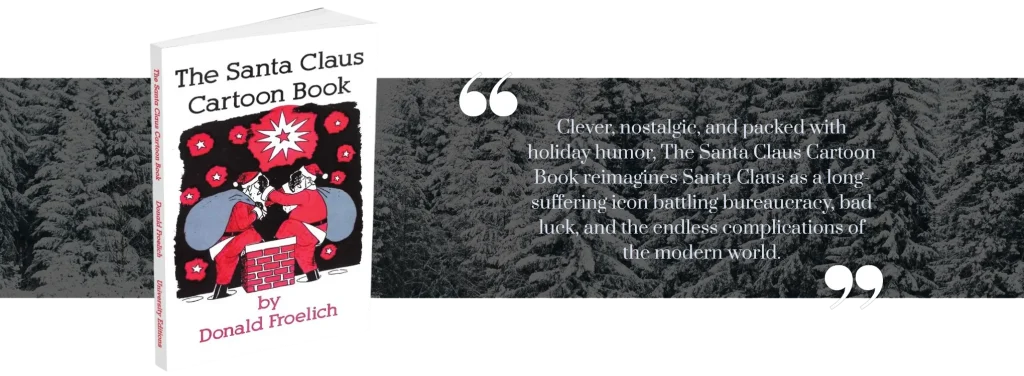
For centuries, Santa Claus has represented generosity, wonder, and the simple belief that kindness matters. But beneath the red suit and holiday traditions lies a question few stories dare to ask: what does it actually cost to keep giving when the world keeps making it harder? In The Santa Claus Cartoon Book, Donald Froelich transforms a familiar icon into something unexpectedly relatable. Through sharp humor and clever visual storytelling, Santa becomes less of a mythical legend and more of a hardworking soul trying to do the right thing in a world obsessed with paperwork, regulations, and profit.
At its heart, this is not simply a collection of holiday jokes. It is a story about endurance. It is about showing up year after year despite frustration, exhaustion, and endless obstacles. The laughter comes easily, but underneath every gag is a surprisingly human truth. Santa may be magical, but his struggles feel familiar to anyone who has ever carried responsibility, faced criticism, or wondered if their efforts still matter.
One moment captures that spirit perfectly: Santa discovers that after seventeen centuries of service, he has received only a single thank-you note. It is funny because of the absurdity, yet quietly heartbreaking because of what it reveals. Here is a man who has devoted his life to others and expects nothing in return, yet continues anyway.
Visually, the adaptation almost writes itself. Imagine a North Pole operating like an aging company on the verge of collapse. Elves argue over labor disputes. Government officials freeze operations. Customs agents impound reindeer. Corporate executives pitch holiday delivery subscriptions as a replacement for unconditional generosity. Every scene would balance humor with genuine emotional stakes. The comedy is broad enough to entertain families, but the themes are mature enough to resonate with adults who understand what it means to keep pushing forward despite constant setbacks.
The emotional journey belongs to Santa himself. Not the larger-than-life figure children imagine, but a man worn down by centuries of responsibility. He is tired. He is frustrated. He has every reason to quit. Yet every obstacle only forces him to rediscover why he started. That arc gives the story its cinematic heartbeat. Audiences would laugh at the chaos, but they would stay for the humanity.
The tone could feel like a blend of holiday warmth and workplace satire. Think the emotional sincerity of The Muppet Christmas Carol mixed with the bureaucratic absurdity of The Office, all wrapped inside a festive adventure that never loses sight of its heart. The result is something fresh in a genre often crowded with familiar stories.
This story matters now because modern audiences understand burnout, institutional pressure, and the feeling of being overwhelmed by systems that seem impossible to navigate. Yet they also crave stories that remind them kindness still has value. Santa’s struggle becomes our own. His decision to continue becomes a quiet act of hope.
The cinematic soul of The Santa Claus Cartoon Book lies in its belief that generosity remains powerful precisely because it is difficult. The world may become more complicated, more transactional, and more cynical, but there will always be value in someone choosing to show up anyway. That belief is timeless, and it deserves a place on screen.