
2026
Bookmarks Festival of Books and Authors Bookmarks Festival of Books and Authors
Some book events are about looking for your next book, while others are about meeting the people who make those books possible. Bookmarks Festival of Books & Authors brings both together, creating a place where readers can meet writers, listen to their stories, and enjoy books with other people who love them. The festival has become the largest annual book festival in the Carolinas, welcoming more than 30,000 attendees each year and bringing together authors from different parts of the country.
The value of the festival comes from the simple connection between readers and authors. With talks, discussions, signings, and events for different ages, Bookmarks gives people a chance to experience books in a more personal way. The 2026 festival is also bringing well-known voices such as John Green for its opening keynote and Jodi Picoult for its closing keynote, giving readers even more reasons to come together around stories.
For Kravitz and Sons, being part of a celebration like this means more than simply putting books on display. It means giving our authors and their stories another chance to meet readers who may be looking for something new.
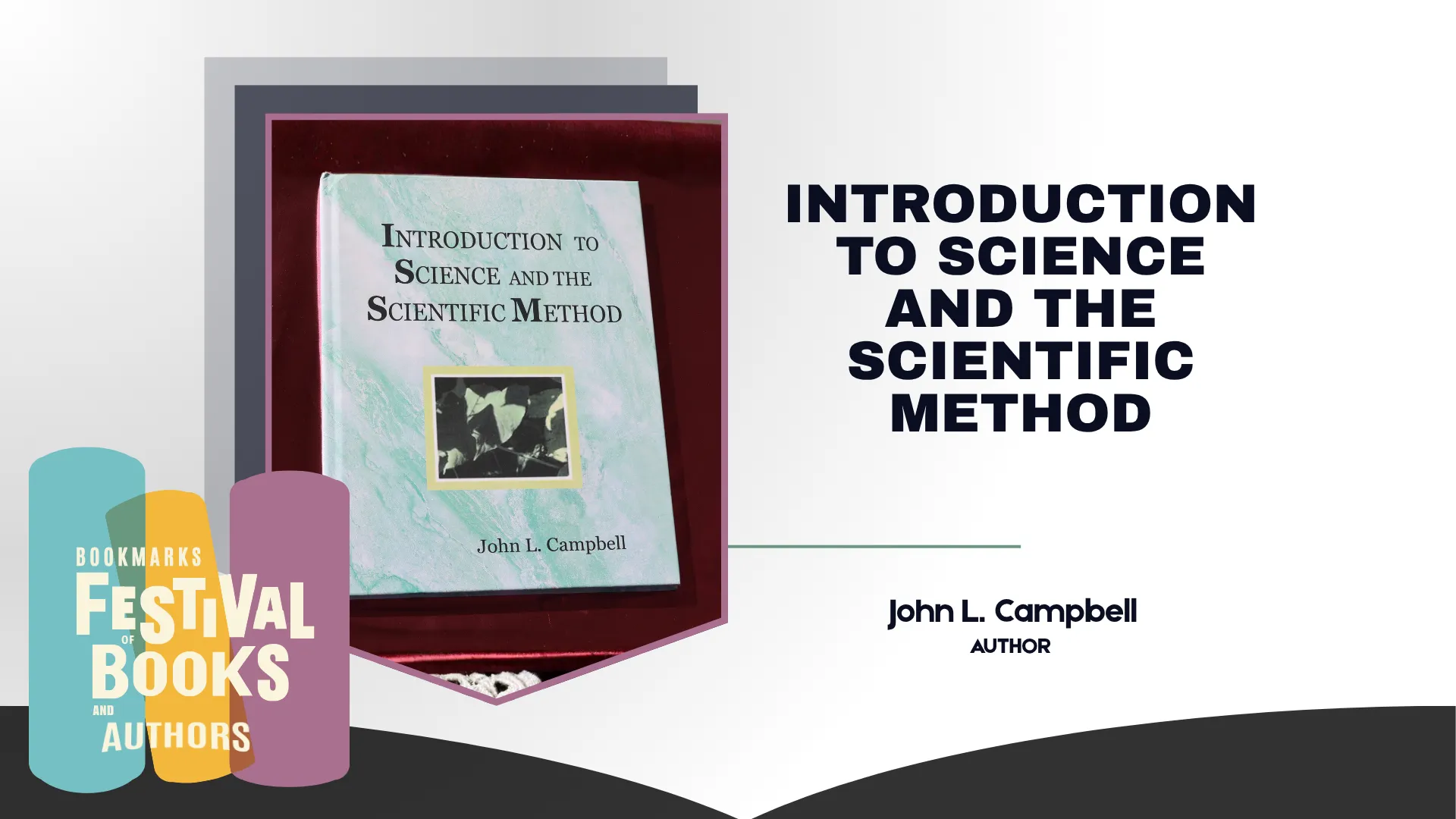
And speaking of stories worth discovering, Introduction to Science and the Scientific Method by John L. Campbell brings its own special idea to the festival. The book looks at modern science, where it came from, how the scientific method works, and how science connects with philosophy, logic, mathematics, society, and religion. It also presents science as more than a collection of facts, describing the scientific method as a flexible way of understanding nature and learning how nature can be used.
The Mind Behind a Different Look at Science
Behind a book that asks readers to look closely at science is an author whose work comes from years of studying, teaching, and working with ideas. John L. Campbell attended Northeastern University in Boston, where he earned both his bachelor’s and master’s degrees. He has worked in psychological research, taught experimental psychology and research statistics, and managed senior service programs for thirty years. After retiring, he continued spending his time thinking about science, philosophy, history, and related subjects.
What makes Campbell stand out is the way he tries to make a complicated subject easier to think about. His writing does not treat science as something that should only belong in a classroom or laboratory. Instead, he looks at how people learn, observe, reason, question, and build knowledge. The book itself explains that science and the scientific method are connected with areas such as philosophy, logic, mathematics, history, society, and even religion.
A Book That Asks Readers to Look Again
Introduction to Science and the Scientific Method may sound like a book that is only for scientists, teachers, or students. But Campbell takes the subject much further. There are no traditional fictional characters because the main focus is on ideas, thinkers, and the development of scientific knowledge. Readers meet historical figures such as Aristotle, Francis Bacon, René Descartes, Galileo Galilei, and Isaac Newton, while following the changes that helped shape modern science. The book explains how natural philosophy gradually developed into what we now call science.
The setting of the book is therefore much bigger than one laboratory or one period in history. It moves from ancient ideas about nature to the development of modern science and then into questions about science and society, the future, and religion. One of its important ideas is that science depends on both observation and reason. Campbell explains how these two sides work together in scientific thinking, including the development of the hypothetico-deductive method associated with Newton. The book also discusses research, theory, scientific explanations, hypotheses, theories, laws, and the limits of observation.
What readers can take from the book is not simply a list of scientific facts. One of its bigger lessons is that understanding how we know something can be just as important as knowing the information itself. Campbell argues that people benefit from understanding the scientific method because it can help them tell science from nonscience and develop more realistic expectations about what science can and cannot do. For readers who enjoy learning, questioning ideas, or simply wondering how humans came to understand the world around them, this book gives plenty to think about.
Bring Science Into Your Next Reading List
If you enjoy books that make you stop and ask how we know what we know, Introduction to Science and the Scientific Method is a book worth giving a closer look. It takes a subject that can sometimes feel difficult and connects it with history, philosophy, society, and everyday thinking. This makes it a good choice for readers who want more than a simple introduction to science and are willing to explore the ideas behind it.
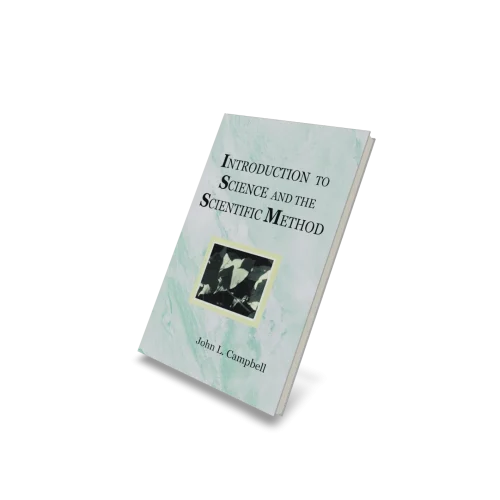
Introduction to Science and the Scientific Method
Discover a different way to look at science, knowledge, and the method behind it