
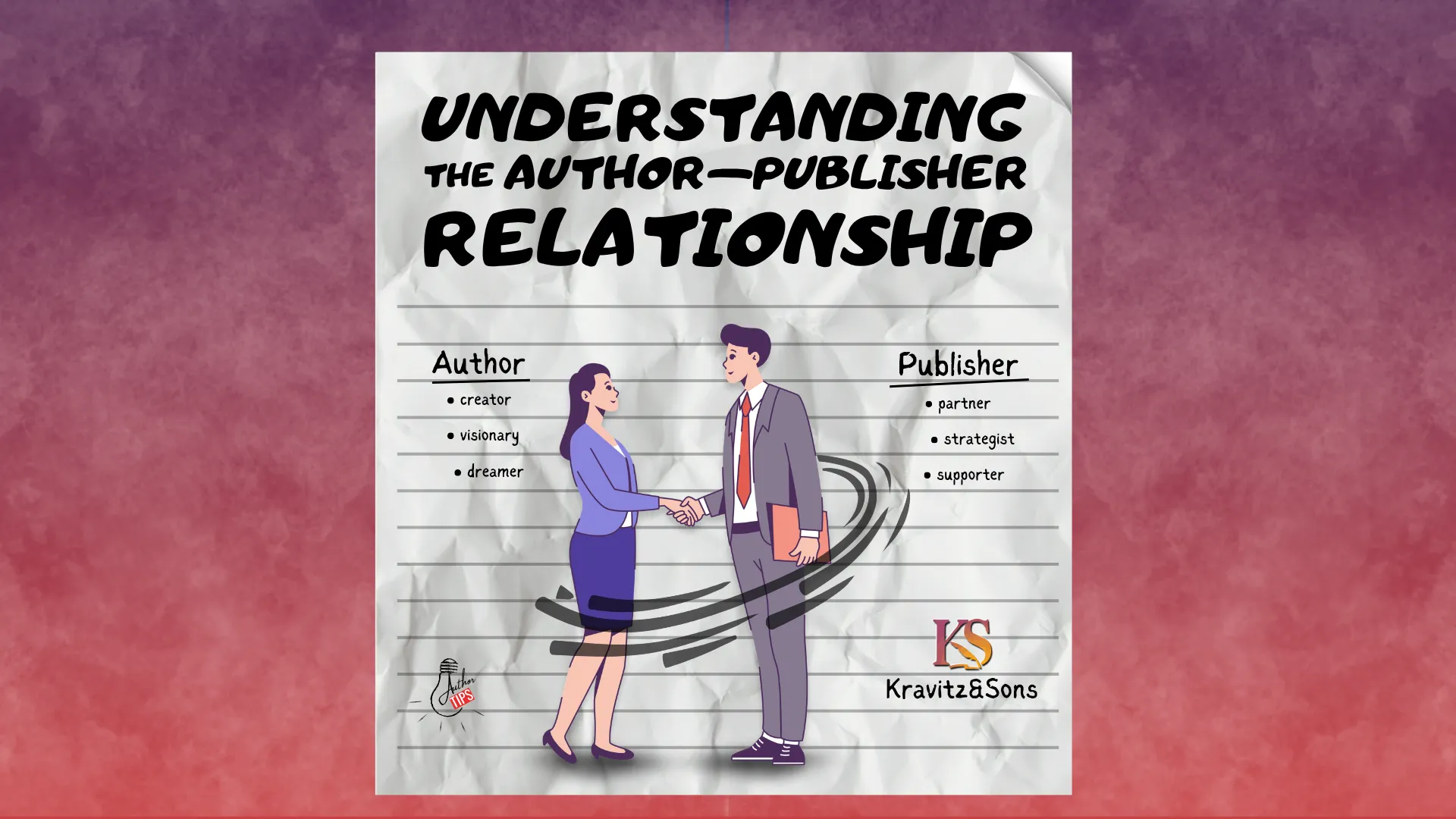
Understanding the Partnership Behind Every Published Book
Many first-time authors believe that once they sign with a publisher, their job is finished. Others believe the opposite, that they have to do everything themselves.
The truth is somewhere in the middle.
Publishing is a partnership. Whether you’re working with a traditional publisher, a hybrid publisher, or handling parts of the process yourself, both the author and the publisher have important roles to play. When both sides communicate well and understand their responsibilities, the publishing journey becomes smoother and the book has a stronger chance of reaching readers.
Let’s take a closer look at how this partnership works and why it matters.
What Does a Publisher Actually Do?
A publisher does much more than print books.
Their role is to help transform your manuscript into a professional book and make it available to readers. Depending on the publishing model, the services may vary, but most publishers help with several important parts of the publishing process.
Why It Matters
Improves the manuscript while preserving your voice. |
Creates a professional cover and interior layout. |
Makes the book available through bookstores and online retailers. |
Helps increase your book’s visibility through promotional opportunities. |
Tracks book sales and distributes royalties according to the publishing agreement. |
Publisher’s Role
Editing |
Book Design |
Publishing & Distribution |
Marketing Support |
Royalty Management |
Think of a publisher as a guide who helps move your book from a finished manuscript to something readers can discover, purchase, and enjoy.
What Is the Author Responsible For?
Even with a publishing partner, authors still play an active role.
Publishing works best when authors stay involved throughout the process instead of stepping away after submitting the manuscript.
Publishing works best when authors stay involved throughout the process instead of stepping away after submitting the manuscript.
A professional author is expected to:
- submit the strongest manuscript they can
- communicate clearly and respectfully
- review edits carefully
- meet deadlines whenever possible
- participate in promotional opportunities
- continue supporting the book after publication
These responsibilities don’t end when the book is released. In fact, many of them become even more important after publication.
Why Communication Builds Better Books
One of the biggest reasons publishing projects run smoothly is simple: good communication.
Throughout the publishing process, you’ll likely exchange messages with editors, designers, marketing teams, or project coordinators. Responding clearly and respectfully helps everyone stay on the same page and keeps the project moving forward.
For example, imagine your editor asks you to review revised chapters before Friday.
“I’ll look at it when I have time.”
A reply like:
doesn’t give the team much information.
Instead, replying with:
“Thank you for the update. I’ll review the chapters and send my feedback before Friday.”
shows professionalism and helps everyone plan the next step with confidence.
Good communication isn’t about using formal language. It’s about being clear, honest, and respectful.
Understanding the Publishing Timeline
Publishing is rarely a one-step process. Every stage builds on the one before it, and each requires teamwork between the author and the publisher.
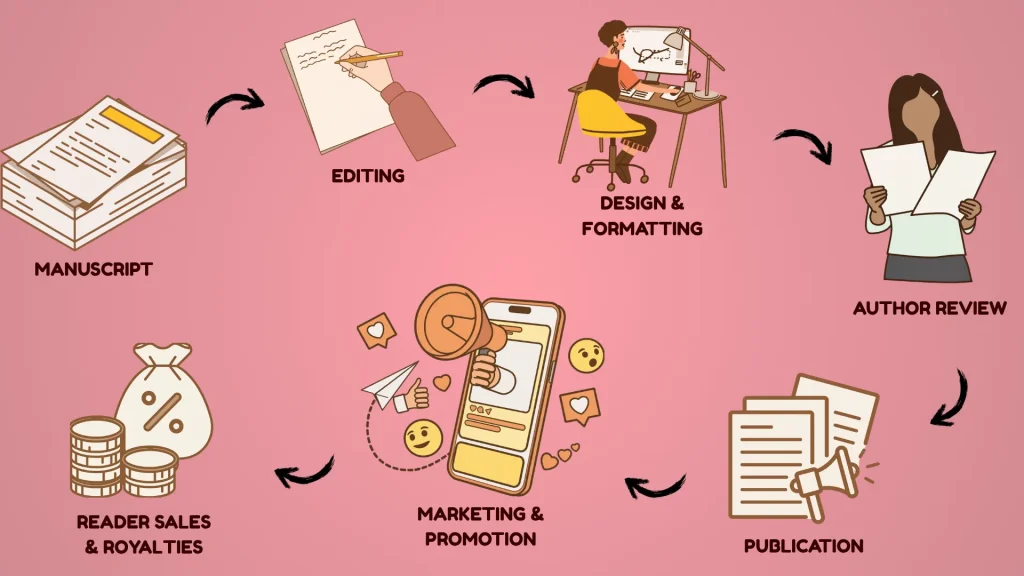
Many first-time authors expect everything to happen quickly, but quality publishing takes time. Patience and cooperation throughout each stage help produce a better final book.
What Happens After Your Book Is Published?
Publishing doesn’t end on release day.
Once your book becomes available, the focus shifts from preparing the book to helping readers discover it.
A publisher may continue supporting the book through promotional campaigns, blog features, book fairs, social media, or distribution efforts. Authors can strengthen those efforts by sharing updates, connecting with readers, participating in interviews, and promoting their work through their own platforms.
The strongest results often happen when both sides continue working together.
Common Misunderstandings About Publishers
Many new authors begin the publishing journey with misconceptions about how the process works.
Here’s a simple breakdown:
Reality
Publishing is a partnership. Authors remain actively involved. |
Editing strengthens your manuscript while respecting your voice. |
Publishing creates opportunities, but visibility and reader interest drive sales. |
Supporting your book after publication helps it reach more readers. |
Myth
“The publisher does everything.” |
“Editing changes my story.” |
“Publishing guarantees sales.” |
“My job ends after release.” |
Understanding these expectations early helps avoid disappointment and builds a healthier working relationship.
Building a Strong Author–Publisher Partnership
Like any successful partnership, publishing is built on trust, communication, and shared goals.
Here are a few habits that make collaboration easier:
- Be honest if you have questions or concerns.
- Respond to messages within a reasonable time.
- Keep an open mind during editing and revisions.
- Respect deadlines and communicate early if plans change.
- Remember that everyone involved wants the book to succeed.
When authors and publishers work together instead of separately, challenges become easier to solve and the publishing experience becomes more rewarding.
Publishing Is a Partnership, Not a Hand-Off
One of the best things an author can remember is that publishing is never about one person doing all the work. A great book comes from collaboration, communication, and a shared commitment to bringing the best possible version of the story to readers.
Whether you’re publishing your first book or your fifth, building a positive relationship with your publishing team can make every stage of the journey smoother. Ask questions, stay involved, communicate openly, and trust the process.
At Kravitz and Sons, we believe that the strongest publishing relationships are built on respect, teamwork, and a common goal: helping great stories find the readers they’re meant to inspire.