
Where Observation Meets Reason
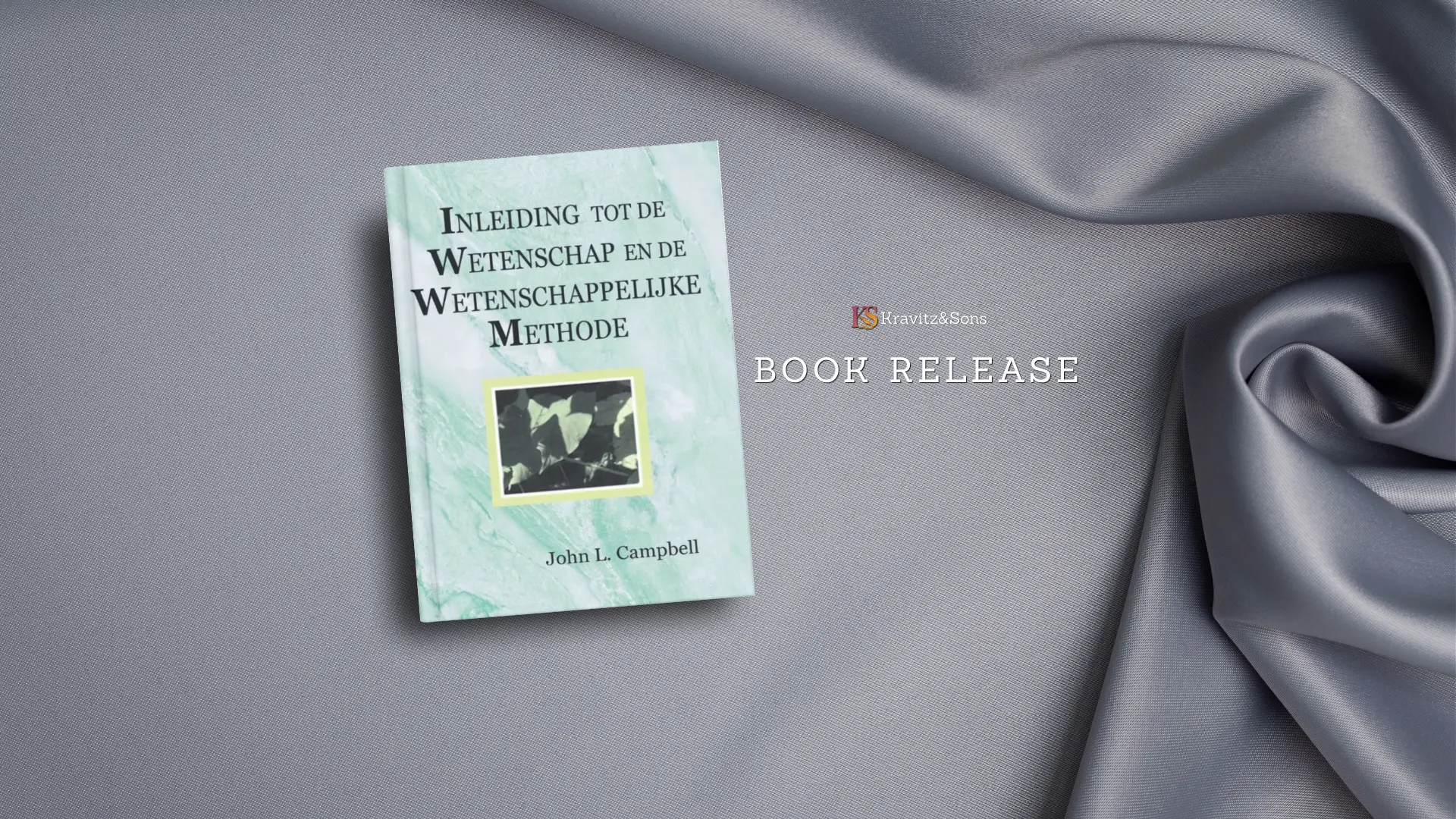
Science is often presented as a collection of facts, theories, and discoveries, but understanding how those ideas are formed is just as important. Inleiding Tot De Wetenschap En De Wete Schappelijke Methode by John L. Campbell, presented here as a Dutch Edition, takes readers beyond simply learning about science and explores how people actually come to understand the natural world.
What makes this work interesting is that it does not treat science as something completely separate from philosophy, logic, mathematics, society, or religion. Campbell looks at the relationship between observation and reason, showing readers that scientific thinking involves questioning how we know what we think we know. It is a thoughtful introduction for readers who want to understand not only science itself, but also the thinking process behind it.
Misschien is het belangrijkste detail waarover consensus nodig was wel de relatie die zou moeten bestaan tussen waarneming en rede. Hierover zijn twee extreme standpunten mogelijk. Het ene is het extreme empiristische standpunt dat kennis over de natuur uitsluitend op waarneming moet zijn gebaseerd. Het andere is het extreme rationalistische standpunt dat kennis over de natuur uitsluitend op rede moet zijn gebaseerd. Tussen deze uitersten bestaan talrijke tussenliggende standpunten. Impliciet aan extreem empirisme is dat theorie niets is; impliciet aan extreem rationalisme is dat theorie alles is. En impliciet aan het standpunt dat theorie alles is, is dat observatie niet op legitieme wijze kan worden gebruikt om aan te tonen dat een theorie onjuist is, ondanks het feit dat eerdere observaties aanleiding hebben gegeven tot het ontstaan van die theorie.
A Different Way to Look at Science
Inleiding Tot De Wetenschap En De Wete Schappelijke Methode explores modern science, its origins, its methods, and its connection with society and religion. Rather than presenting science as a rigid system, the book describes it as a general and flexible approach for understanding nature and learning how nature can be used through both fundamental and applied science.
One of the important ideas explored in the book is the relationship between observation and reason. Science depends on what we observe, but it also depends on the theories and reasoning we use to understand those observations. Campbell gives readers room to think about where these two approaches meet and why neither should simply be ignored.
The book also encourages readers to think about the role of the human mind in scientific understanding. Our personal concepts and cultural backgrounds can influence how we interpret what we observe and what we believe we know. This makes the subject feel surprisingly close to everyday life, because questioning evidence and examining our own assumptions are useful far beyond the laboratory.
The Mind Behind the Method
John L. Campbell brings academic precision and a clear interest in making complex subjects understandable. His writing connects science with philosophy, logic, mathematics, society, and religion, giving readers a wider view of how scientific knowledge develops and how it affects the world around us.
Campbell does not avoid the complicated parts of science. Instead, he encourages readers to question, investigate, and think critically. His approach makes the book more than an introduction to scientific ideas. It becomes an invitation to understand how we think, how we observe, and how we decide what knowledge can be trusted.
Take a Closer Look at Science
Inleiding Tot De Wetenschap En De Wete Schappelijke Methode by John L. Campbell offers a thoughtful look at science, reasoning, and the way humans understand the natural world. As a Dutch Edition, this work brings together scientific thinking and broader questions about knowledge in a way that can encourage readers to look at science from a fresh perspective.
Inleiding Tot De Wetenschap En De Wete Schappelijke Methode
A Thoughtful Introduction to Science, Reason, and Knowledge
| Science | Reason | Inquiry | Knowledge |