
Where Law, History, and Resistance Intersect
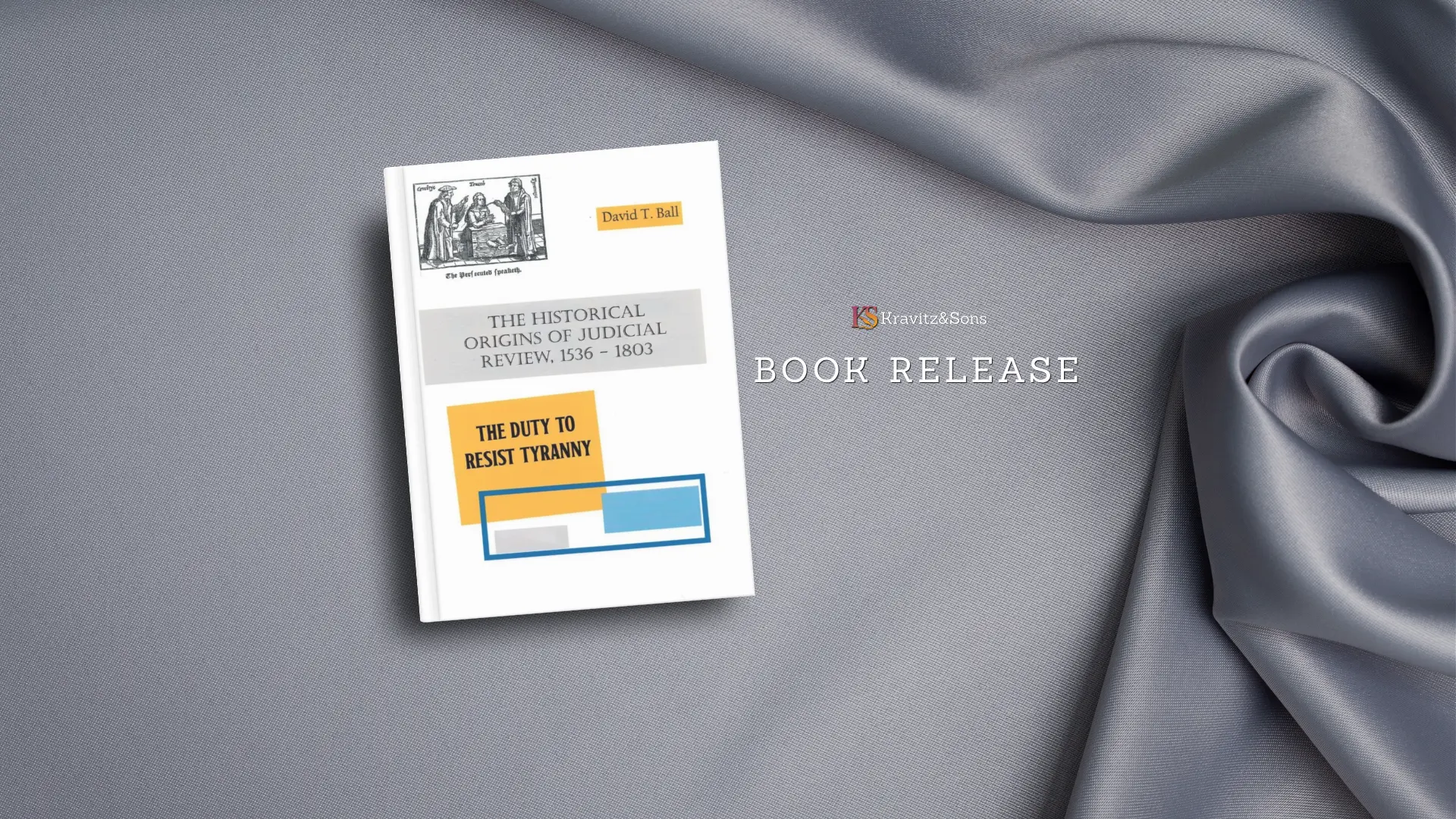
Some books explain history, while others challenge the way you understand it. The Historical Origins of Judicial Review, 1536 -1803: The Duty to Resist Tyranny by David T. Ball takes a deeper route by exploring how one powerful idea shaped the foundation of judicial authority. Instead of just presenting facts, it walks readers through the evolution of a concept that started as resistance and slowly became a responsibility.
What makes this book stand out in the legal and historical genre is how it connects ideas across time. It does not isolate events but shows how one belief can travel, grow, and eventually define an entire system. For readers who enjoy understanding the “why” behind legal principles, this book offers something more than explanation. It gives context, depth, and a clearer view of how authority and accountability came to be connected.
In tyrannical situations, magistrates are not only exempt from the duty of total civil obedience; they are actually bound by an opposing duty, the duty to oppose tyrannical government. On its face, however, this exception does not apply to private individuals only to ‘magistrates of the people.
The Historical Origins of Judicial Review, 1536 -1803, To Restrain the Willfulness of Kings, Page 50
From Resistance to Responsibility
This book focuses on the idea that resisting tyranny was not just an option but a duty, at least for those in positions of authority. It traces this belief back to early thinkers like John Calvin and follows how it evolved through different historical periods. Each stage adds another layer, showing how political thought slowly transformed into legal responsibility.
The figures and institutions discussed in the book are not just part of history. They are part of a larger conversation about power and limits. From the Marian exile to the Glorious Revolution, each moment plays a role in shaping how societies began to question authority. These events help readers understand that judicial review did not appear suddenly. It was built over time through debate, conflict, and necessity.
One of the strongest messages in the book is that law is not just about permission, it is about duty. By the time the idea reached the United States and influenced the famous case of Marbury v. Madison, it had already gone through years of transformation. The book shows that judicial review was not simply accepted. It became something courts were expected to uphold, giving it a stronger and more meaningful foundation.
The Mind Behind the Analysis
While limited biographical details are provided about David T. Ball, his writing reflects a deep understanding of both legal theory and historical development. His approach is detailed but still focused, making complex ideas easier to follow without losing their depth.
His style leans toward careful explanation rather than over-simplification. You can tell that the goal is not just to inform, but to guide readers through a thought process. This makes the book especially valuable for those who want to understand not just what happened, but how and why it mattered.
Why This Book Deserves Your Attention
If you are interested in law, history, or the roots of authority, The Historical Origins of Judicial Review, 1536 -1803: The Duty to Resist Tyranny by David T. Ball offers a perspective that is both thoughtful and grounded. It is the kind of book that makes you think long after you finish reading.
This is not just about the past. It is about understanding the systems that still shape decisions today.
The Historical Origins of Judicial Review,
1536 -1803
If you enjoy books that challenge your perspective, this one is worth adding to your shelf.