
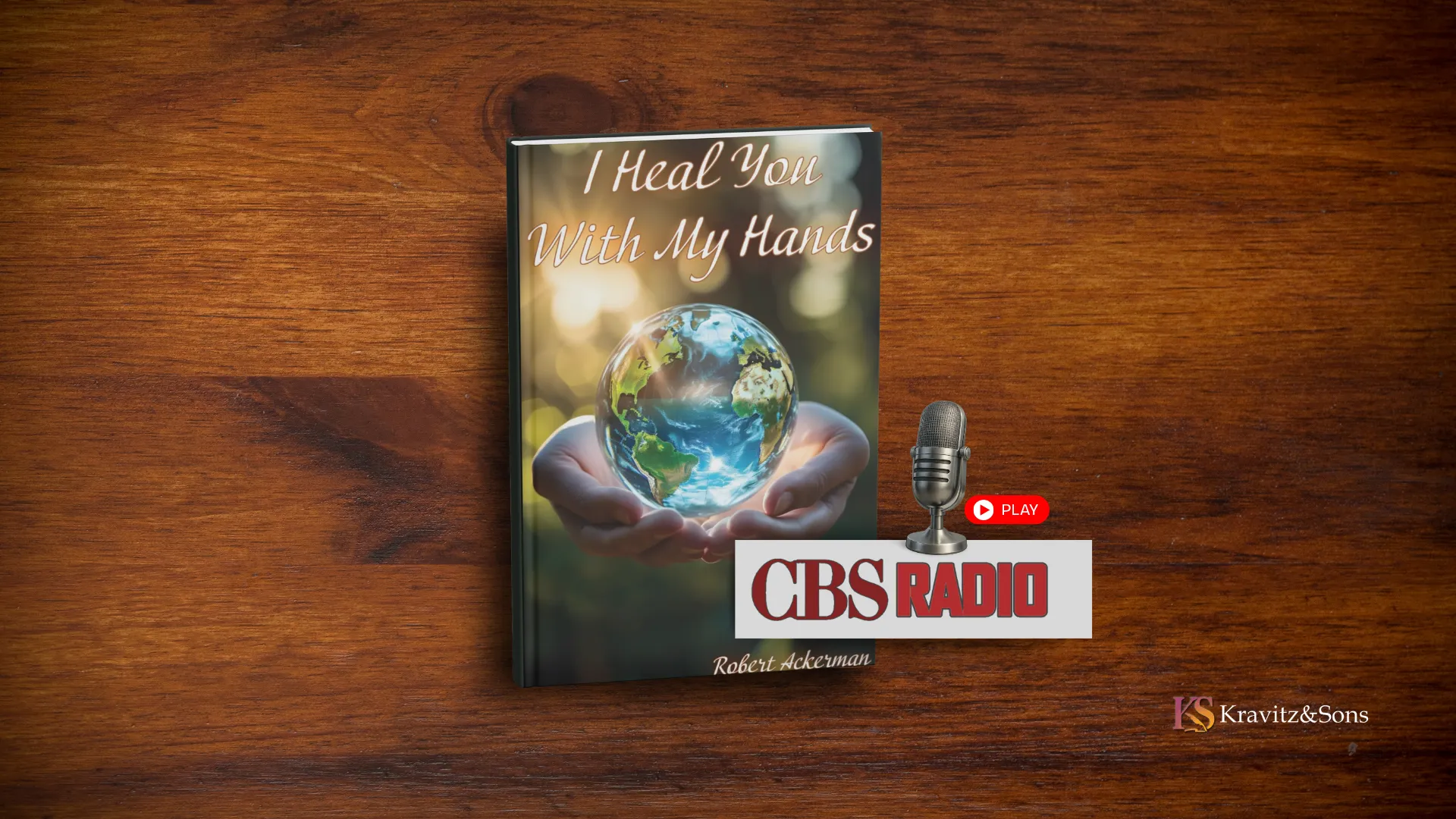
" I Heal You With My Hands I Heal You With My Hands I Heal You With My Hands "
Benjie Cole and the People of Distinction Platform
Benjie Cole, son of Al Cole from CBS Radio, is the host of the syndicated talk show People of Distinction, a program built around in-depth conversations with some of the most dynamic, intelligent, and successful people from different walks of life. Throughout the interview, Cole describes the show as a platform that gives audiences a closer look at the people behind the stories, ideas, and accomplishments that make them worth knowing. People of Distinction is internationally syndicated and available across major distributors, allowing its conversations to reach listeners well beyond a single radio audience.
Cole’s approach is conversational and direct. Rather than simply asking an author to promote a book, he uses the interview to explore the experiences and beliefs that shaped the work. His discussion with Robert Ackerman is a good example of that approach. The conversation moves from Ackerman’s book into his experiences serving others, coaching young people, studying spirituality, and researching climate change, giving listeners a broader picture of the man behind the pages.
The interview also carries a personal connection because Ackerman is a returning guest on People of Distinction. Cole mentions that the two had previously discussed Ackerman’s book Buff, making this appearance another opportunity to explore his writing and ideas. This time, the focus turns to I Heal You with My Hands , a book that Cole describes as impactful and closely connected to Ackerman’s extraordinary life and his desire to help others understand his perspective on faith, humanity, and the world around them.
A Message Ackerman Felt Obligated to Share
The inspiration behind I Heal You with My Hands comes from an experience Ackerman says occurred in 1969. He describes being thrown onto a bed by God, having the breath taken from his body, and then having it returned. According to Ackerman, he heard God tell him, “Someday you’ll heal my hands.” For decades, he struggled to understand what those words meant. Eventually, he came to his own understanding of the message, particularly through his interpretation of letters, their meanings, and his relationship with God. Once he believed he understood the meaning behind the experience, he felt writing the book was something he was obligated to do.
That sense of obligation is important to understanding what drives Ackerman as an author. He does not describe the book as something he wrote simply because he wanted to become a writer. Instead, he presents it as something he felt compelled to complete because of what he believes God had asked him to do. Throughout the interview, his central idea is one of oneness. He believes people are one with God, that humanity is connected, and that recognizing this connection can change how people view themselves, their neighbors, and the world. For Ackerman, healing is therefore connected to understanding, unity, service, and recognizing something greater than oneself.
Looking Beyond the Pages of I Heal You with My Hands
I Heal You with My Hands is presented through Ackerman’s personal experiences and spiritual perspective, but the conversation reveals that the book reaches into much larger questions. At its center is Ackerman’s attempt to explain what he believes was communicated to him in 1969 and how that experience shaped his understanding over the decades that followed. He connects his interpretation of “healing” with ideas about God, consciousness, oneness, and humanity’s place within creation. The result is a deeply personal work built around beliefs that Ackerman has spent years trying to understand and communicate.
The book also reflects Ackerman’s wider concerns about society and the world. His ideas about oneness extend into his belief that people should care for one another and recognize that everything is connected. During the interview, he discusses universal consciousness and his belief that consciousness exists throughout creation, from human beings to natural elements such as mountains and rivers. He also connects his spiritual perspective to his concerns about climate change and the future of the planet, making the book part personal testimony, part spiritual reflection, and part call for people to pay closer attention to the world they share.
A Life Built Around Service and Purpose
Robert Ackerman‘s life provides important context for understanding I Heal You with My Hands . He is a Vietnam veteran who has spent much of his life serving other people and his community. According to his biography, Ackerman has served as Director of the Pennington County Drug and Alcohol Task Force, Director of the Meade Street Halfway House, Director of the Western South Dakota Referees Association, Director of Keystone Ambulance Service, and Director of the West Dakota Water Development Association. He also served as a Rockerville, South Dakota, volunteer firefighter for seven years.
His commitment to helping others continued through coaching, volunteering, and research. Ackerman coached a soccer team that went on to win the Dakota State Soccer Tournament, and during the interview he recalled how that experience taught him about persistence and proving people wrong through hard work. His team consisted of players others did not want to coach, but Ackerman took them on, worked them hard, and helped them succeed. He also speaks about his work with the Salvation Army and his three decades of research into climate change.
These experiences reflect the same philosophy that appears throughout his interview. Ackerman repeatedly returns to the importance of helping others, working hard, and recognizing that people are connected. His life has moved through military service, community leadership, coaching, volunteer work, and spiritual exploration, giving him a wide range of experiences from which to draw as a writer.
A Book That Challenges Readers to Reconnect
I Heal You with My Hands deserves attention because it asks readers to look beyond entertainment and consider the larger questions behind everyday life. Benjie Cole himself makes this point during the interview, encouraging audiences not simply to read the book for entertainment but to allow it to challenge their perspective. The conversation presents Ackerman’s work as an invitation to think about faith, connection, compassion, and humanity’s responsibility toward the world around it.
One of the strongest lessons from the interview is Ackerman’s belief in oneness. He discusses the idea that humanity is connected to God and to one another, drawing on the teachings he encountered through his study of Edgar Cayce and his own spiritual experiences. He believes society becomes stronger when people recognize their shared connection rather than allowing differences to divide them. That idea also connects directly to Cole’s closing thoughts about caring for neighbors and all of God’s creatures.
The interview also makes clear that Ackerman wants readers to think about the future of the planet. His three decades of climate-change research have led him to serious concerns about global warming, rising temperatures, flooding, extinction, and plastic pollution. He believes these issues deserve far more attention and hopes people will wake up to the challenges facing the Earth. While these subjects extend beyond the central spiritual message of the book, they reveal the broader perspective Ackerman brings to his writing.
Why does this book deserve to be featured and known worldwide?
Ultimately, I Heal You with My Hands is a book for readers willing to explore ideas about God, consciousness, service, humanity, and our connection to the world. Robert Ackerman‘s message is not simply that people should read his story. He wants them to reconsider how they see themselves and those around them. As Benjie Cole puts it, the book can challenge readers to reconnect with what really matters: faith, compassion, unity, and caring for others regardless of background.