
Memory, Mortality, and the Meaning of Survival
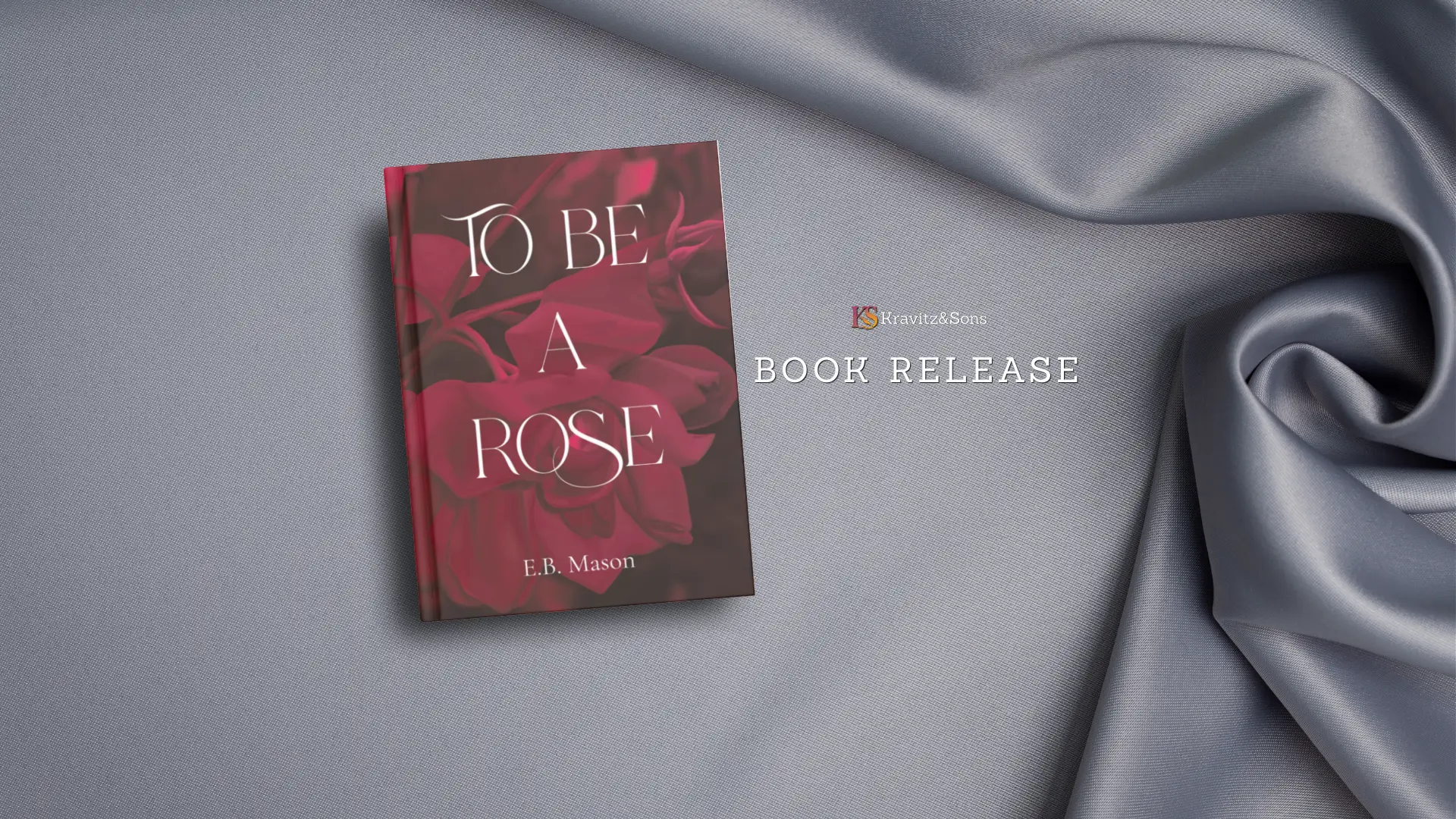
To Be A Rose by E.B. Mason is not a soft metaphorical story about flowers. It is a hard-earned reflection on survival, memory, war zones, love, and the strange way life circles back to what was planted in us as children. The novel moves between Afghanistan, Europe, the American South, and deeply personal hospital moments, blending military life, political tension, spiritual questioning, and near-death experiences into one layered narrative.
What makes this book different from others in the war memoir or psychological fiction genre is its voice. It does not follow a straight path. Instead, it mirrors how memory actually works. One moment you are in a NATO post during conflict, the next you are a boy in Germany watching your mother tend roses, and then suddenly you are fighting to breathe in a hospital bed. E.B. Mason builds meaning through repetition, symbolism, and lived experience. The rose is not a decoration. It is identity.
Many nights when they were in full bloom, the house was filled with the fragrance of roses. The only downside to roses are the thorns. I discovered this by accident coming home from Slovenia with pneumonia.
To Be A Rose, Chapter 2, p. 19
War, Memory, and the Seed That Was Planted
At its core, To Be A Rose is about resilience under pressure. The story follows Ed, a military officer and contractor whose career places him in high-risk environments including Afghanistan. We see the daily routines of secure compounds, sandbags stacked against windows, armed convoys, and the constant awareness that survival is not guaranteed. The tension is real, but it is never written for shock value. It feels lived-in, observed, and processed.
Yet the battlefield is only part of the story. The emotional center is found in memory. The roses were planted by his mother in Germany. The phrase his father once used about “coming up smelling like a rose.” The woman he loves. The hospital scenes where breath itself becomes a battle. The novel suggests that who we become during a crisis is rooted in seeds planted long before the crisis ever arrives. Survival is not random. It is shaped.
The book quietly asks bigger questions too. What does it mean to live with intention? What are the consequences of our choices? How do we reconcile duty, love, ego, faith, and mortality? Through conversations that range from dark humor to philosophical debate, Mason explores how close a person can come to death and still return changed, not broken. The rose becomes a symbol of grace under pressure, of beauty that survives harsh climates.
The Mind Behind the Story
E.B. Mason writes with a voice that feels intelligent, direct, and unapologetically honest. His background in military service and international assignments clearly informs the realism of the settings. The geopolitical environments, the cultural observations, and the structure of secure compounds are described with the confidence of someone who has actually stood there.
What stands out most is his willingness to blend grit with reflection. One page may carry humor that is sharp and unfiltered, the next page moves into spiritual reflection or emotional vulnerability. He does not over-explain. He trusts the reader to follow the shifts. The result is a narrative that feels both raw and thoughtful at the same time.
When Survival Becomes Identity
To Be A Rose by E.B. Mason is for readers who appreciate stories about endurance, transformation, and the strange beauty that can emerge from chaos. It is not just about war. It is about becoming the person you were meant to be when everything around you tests that identity.