
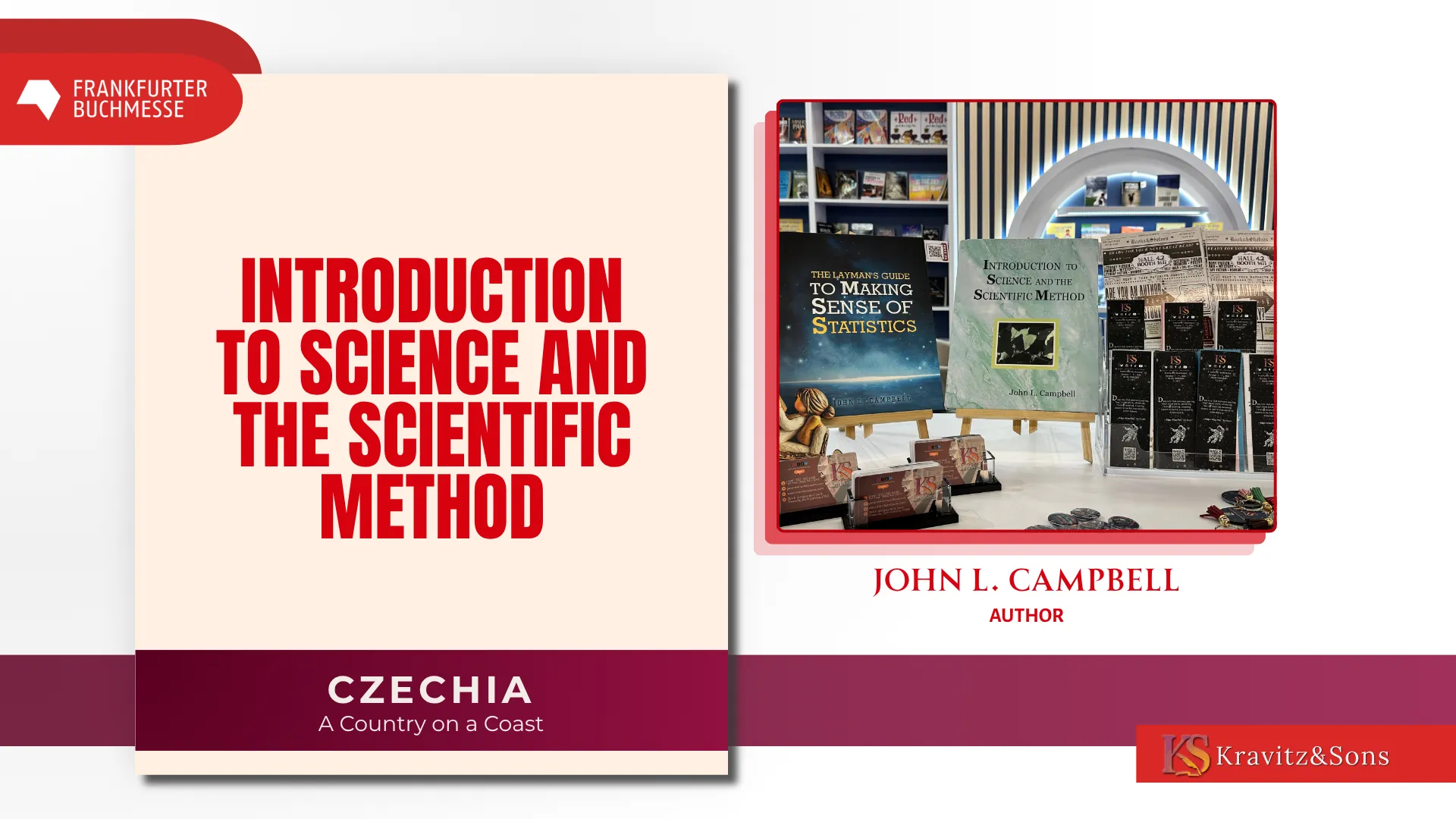
2026
Frankfurter Buchmesse Frankfurt Book Fair
For decades, Frankfurter Buchmesse has been one of the biggest meeting places for the international publishing world. What started in 1949 with around 200 publishers has grown into a global event where publishers, authors, agents, media professionals, and creative industries come together to share ideas, make deals, and discover what is next for books and storytelling. Today, the fair is considered one of the world’s leading places for printed and digital content.
The fair is valuable because it brings so many parts of the publishing world into one place. It is not only about books on shelves, but also about rights, translations, new partnerships, technology, and the people behind the stories. The 2026 Frankfurter Buchmesse will take place in October, with Czechia serving as the Guest of Honour under the theme “A Country on the Coast.” The programme will include more than 100 literary and cultural events, with 75 Czech authors expected to take part.
With so many countries, voices, and ideas meeting in one place, Frankfurt has become a space where a book can travel far beyond where it first began. That makes this fair a special place for authors who want their stories to reach new readers and new parts of the world.
That is where Introduction to Science and the Scientific Method by John L. Campbell fits naturally into this international setting. The book looks at what science is, where it came from, how the scientific method developed, and why understanding that method matters. It also takes readers into philosophy, logic, mathematics, society, and religion, making the book more than a simple introduction to scientific facts.
A Career Built Around Research, Teaching, and Curiosity
Before John L. Campbell became the author behind this work, he spent decades working in areas closely connected to learning and research. He earned his bachelor’s and master’s degrees from Northeastern University in Boston and built a career in psychological research, experimental psychology, research statistics, and senior services.
For more than 30 years, John L. Campbell worked in these fields, giving him a long view of how people gather information, study problems, and understand what they see around them. Now retired, he continues to reflect on science, philosophy, history, and the deeper questions connected to them.
Learning How Science Really Works
The interesting thing about Introduction to Science and the Scientific Method is that it does not simply tell readers what science has discovered. Instead, Campbell asks readers to look at how science gets to knowledge in the first place. The book explains science as a flexible approach to knowing nature and understanding how nature can be used.
The journey starts with the meaning and history of science before moving into its empirical and rational sides. Observation allows people to learn from what they see and experience, while reason helps connect those observations and form explanations. Campbell also explores how science developed from natural philosophy and how thinkers such as Aristotle, Bacon, Descartes, Galileo, and Newton helped shape the ideas that later became part of modern scientific thinking.
The book then grows into something much bigger. Its chapters cover scientific and nonscientific views on nature, science and society, the future of science, and science and religion. It also discusses research, theory, hypotheses, scientific knowledge, and the limits of observation. This makes the book useful not only for someone studying science, but also for anyone who wants to become better at asking questions, checking information, and understanding why people believe what they believe.
Understanding Science Beyond the Facts
At the Frankfurter Buchmesse, Introduction to Science and the Scientific Method stands as a book for readers who want to look deeper into how scientific knowledge is created and understood. John L. Campbell brings together the history of science, observation, reason, research, society, and religion to give readers a wider view of what science really means. It is a thoughtful choice for anyone who has ever wondered not only what science tells us, but also how we came to know it.
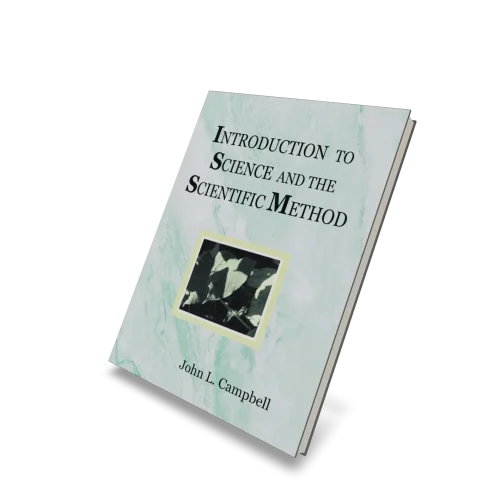
Introduction to Science and the Scientific Method
Discover the ideas behind science and learn how the scientific method helps us understand the world around us.