
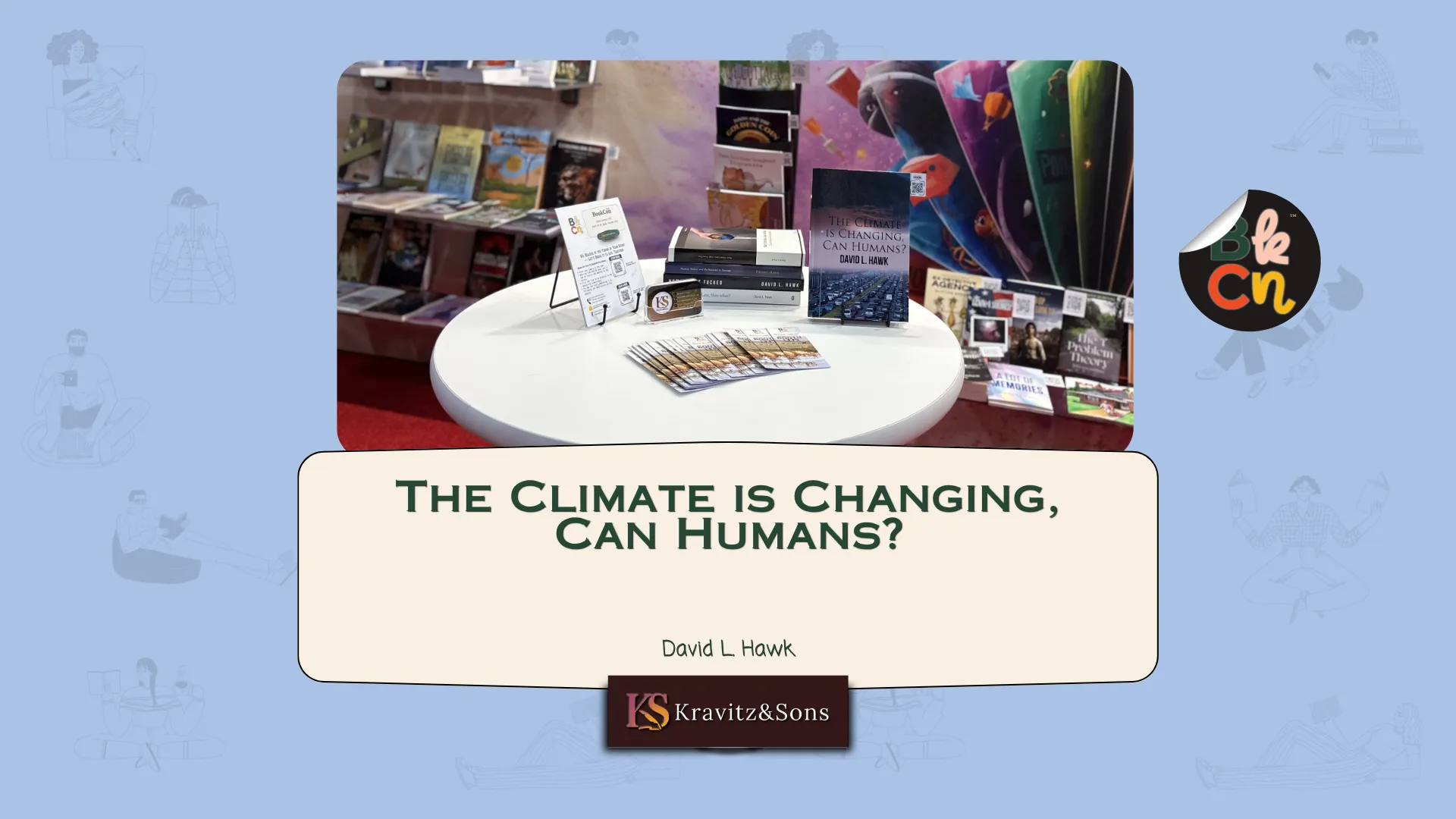
BookCon 2026 | STORIES THAT COME TO LIFE IN REAL TIME. WHERE FANS MEET THE MINDS BEHIND THE PAGES. A PLAYGROUND FOR READERS, CREATORS, AND IDEAS. PANELS. SIGNINGS. EXPERIENCES THAT FEEL PERSONAL. WHERE POP CULTURE AND LITERATURE COLLIDE. DISCOVERY, CONNECTION, AND NONSTOP ENERGY. A WEEKEND WHERE STORIES STEP OFF THE PAGE. THE SPACE WHERE READERS BECOME PART OF THE STORY.
BookCon emerged as a response to something readers had been wanting for years: a space where they could engage directly with the stories and the people behind them. Evolving from the industry-focused BookExpo, BookCon opened the doors to a wider audience, transforming into a reader-driven event that celebrates not just books, but the experience of storytelling itself. Over time, it has grown into a major gathering where fans, authors, and creators come together in one shared space.
Unlike traditional book fairs, BookCon thrives on interaction. It’s a place where readers don’t just browse, they participate. Panels, live interviews, book signings, and fan-driven discussions fill the event with energy. It creates an environment where stories are not only read but talked about, questioned, and experienced in real time.
The 2026 edition continues to highlight the evolving relationship between readers and storytelling. It reflects a world where audiences are more engaged than ever, shaping conversations, trends, and the way stories are shared. BookCon stands as a space where creativity meets community, and where every voice has the chance to be heard.
Exhibitors from across the publishing world take part, including major publishers, independent authors, media platforms, and creative brands. The event floor becomes a hub of discovery, where new ideas are introduced, connections are built, and stories find their audience.
Amid this high-energy and interactive setting, Kravitz and Sons is proud to join BookCon 2026. We’re excited to exhibit The Climate is Changing, Can Humans? by David L. Hawk, a revised and expanded work that builds on earlier discussions about the impact of climate change on business, education, and long-standing economic practices. The book examines how traditional systems shaped during the industrial era are being challenged by emerging environmental realities and questions whether human thinking can adapt to these changes.
A Perspective Shaped by Experience
David L. Hawk has built a career across multiple disciplines, holding degrees in engineering, architecture, and city planning, along with a doctorate in systems sciences and international business from the Wharton School at the University of Pennsylvania. His work spans teaching, research, and leadership roles in academic institutions across different countries.
Throughout his career, Hawk has engaged directly with evolving discussions on climate change and its implications. His academic contributions, along with his experience as a dean and educator, reflect a consistent focus on examining how systems function and how they respond to change. His work has been recognized through various awards, including IBM International Professor of the Year.
Examining Change in Systems and Thinking
The Climate is Changing, Can Humans? expands on Hawk’s earlier work, originally developed for students studying management and economics. It introduces the idea that traditional “business as usual” approaches may no longer be sustainable in the face of climate change and its consequences. The book outlines why alternative ways of thinking and operating may be necessary moving forward.
It traces the development of current systems back to the industrial era, highlighting how past decisions continue to influence present conditions. The discussion focuses on how these systems were formed and why they may now be under pressure due to environmental changes that were already beginning to appear at the time of the earlier work.
The revised title reflects a shift in focus. While the earlier version questioned whether humans are willing to change, this version raises the question of whether change is still possible. The book presents this as a central concern, considering the long-term effects of past actions and the challenges associated with adapting to future conditions.
A Timely and Relevant Discussion
This book presents a structured examination of climate change in relation to human systems and decision-making. For readers interested in understanding how past practices connect to present challenges, it offers a perspective grounded in both academic and practical experience.
asdasdasdasdasda
asdas
asdas
gptimg2img
This post really highlights the power of storytelling in shaping how we understand complex issues like climate change. It’s refreshing to see a focus on authentic narratives that connect with readers on a human level, rather than just data and statistics. The emphasis on bringing stories to life resonates deeply, especially when considering how personal experiences can drive broader awareness and action.