Where Literature Lives, and Voices Rise
When the Guadalajara
International Book Fair first opened its doors in 1987, it wasn’t trying to
become a global giant overnight. It simply wanted to create a welcoming home
where Latin American literature could thrive, connect, and be celebrated.
Founded by the University of Guadalajara, FIL grew steadily through community,
creativity, and a deep respect for storytelling. Over the years, it transformed
from a regional event into the largest Spanish-language book fair in the world,
admired for its purpose-driven growth and cultural impact.
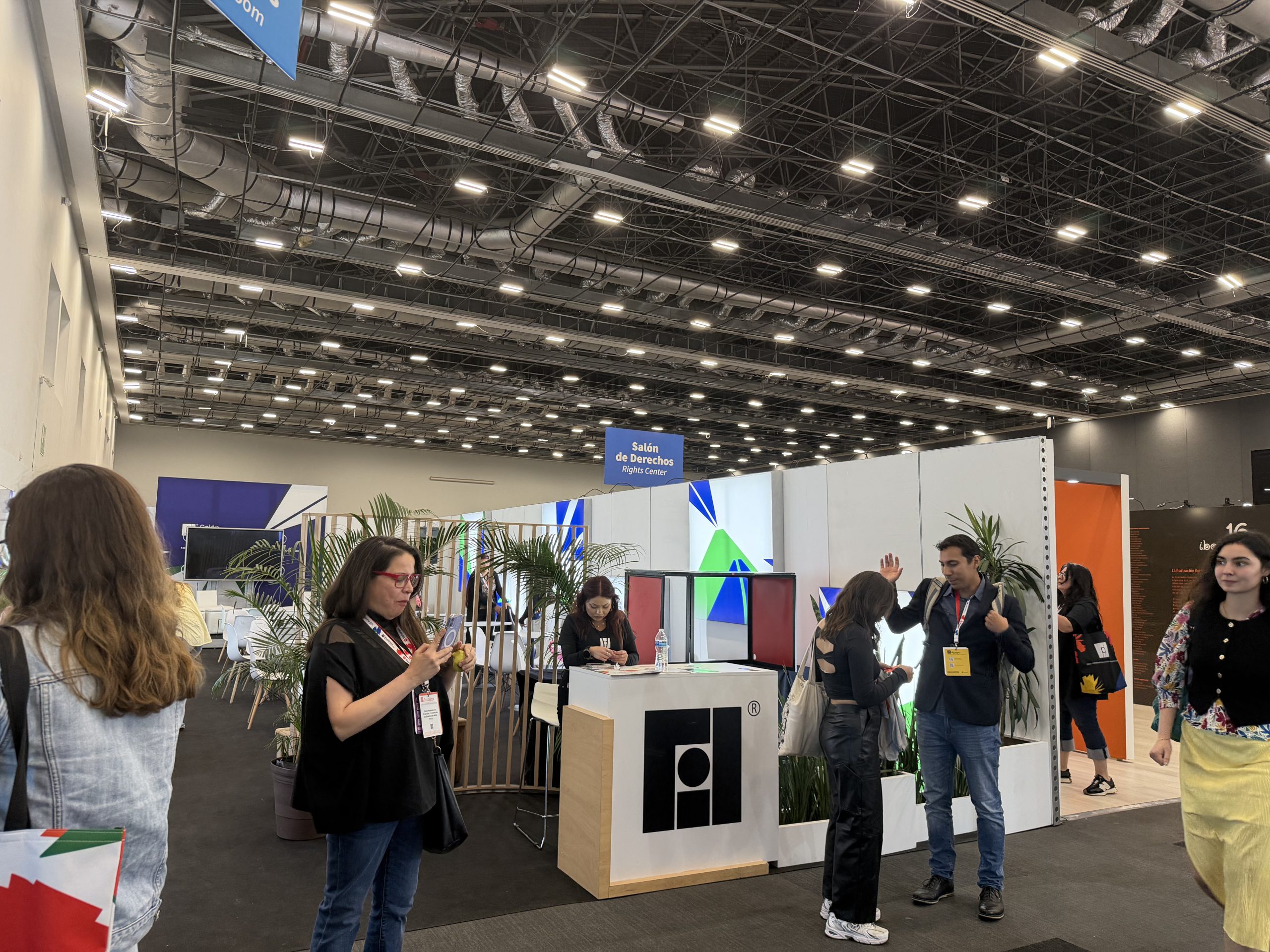
Today, FIL feels like a vibrant world of its own. Across its massive halls, visitors move through book launches, workshops, illustration festivals, film screenings, academic panels, cultural performances, and international publishing meetings. With more than 900,000 visitors and thousands of exhibitors from over sixty countries, the fair brings together readers, authors, educators, and industry leaders in one dynamic and creative space.
This year’s Guest of Honor is Barcelona,
a city shaped by centuries of artistic innovation, multilingual literature, and
fearless storytelling. The theme celebrates Barcelona’s character through
Catalan books, performances, culinary showcases, and conversations with
creators who continue to influence global culture. FIL invites visitors to step
into the rhythm and imagination of a city that has always inspired the world.
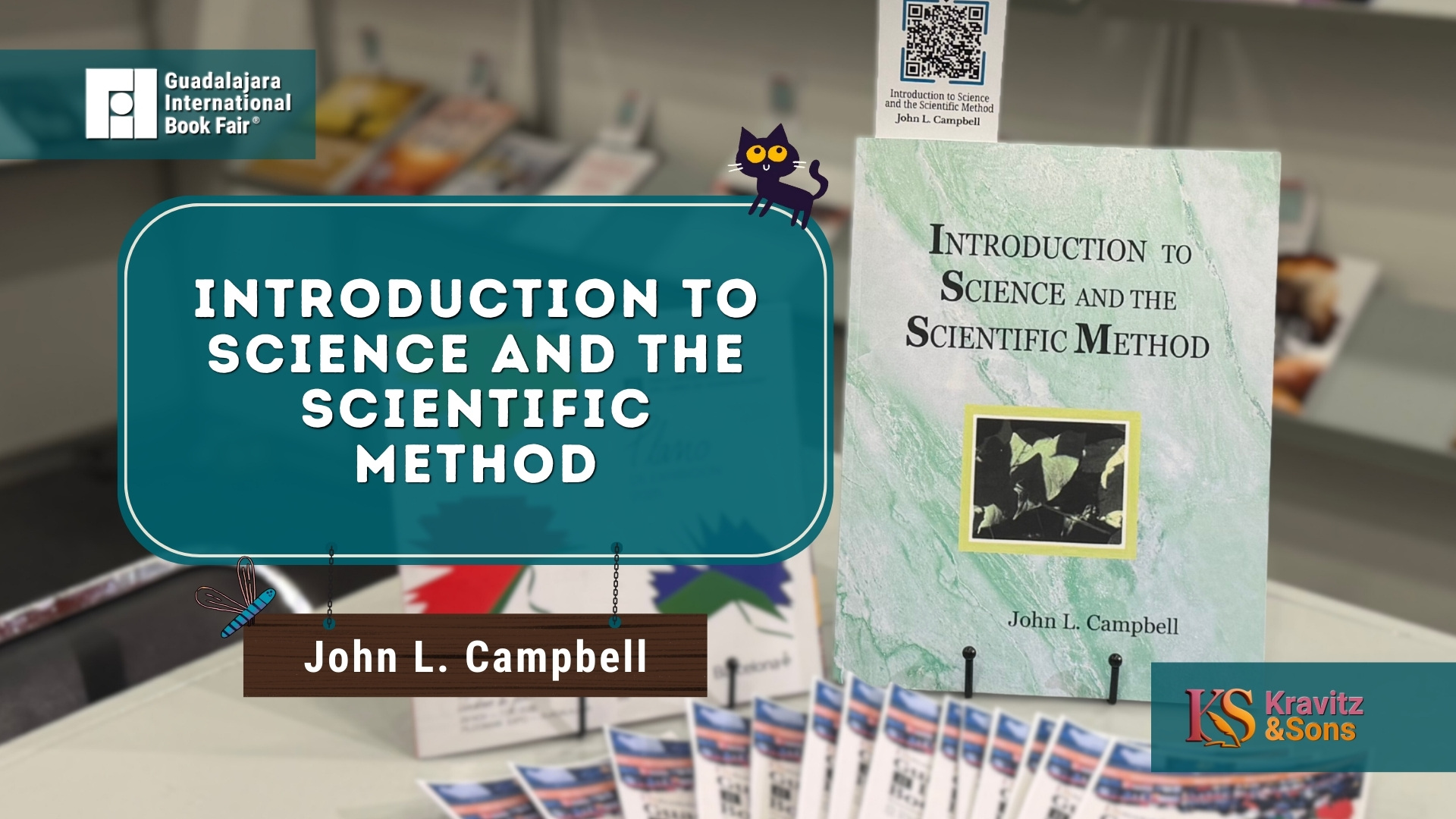
Amid this incredible showcase of global creativity, Kravitz & Sons proudly steps into FIL 2025, bringing stories that matter and voices worth remembering. We’re excited to feature Introduction to Science and the Scientific Method, a work that carries its own spark of insight, clarity, and intellectual depth—ready to meet readers from around the world in a place built for stories that endure.
The Author Who Turns Complexity Into Clarity
John L. Campbell writes with the rare ability to bridge the gap between scientific rigor and everyday understanding. His approach to complex ideas is refreshingly accessible, grounded in logical explanation rather than mathematical intimidation. Instead of overwhelming readers with technicalities, Campbell carefully unpacks the history, philosophy, and framework of scientific thinking in a way that feels both inviting and intellectually stimulating.
For readers who may find scientific literature intimidating, Campbell’s style comes as a relief. His prose is patient, articulate, and purposeful. He guides rather than lectures, offering just enough depth to provoke thought without overshadowing clarity. Whether discussing the origins of science, the development of logic, or the interplay between science and religion, Campbell’s writing balances scholarly depth with readability—making his work a practical tool for both beginners and seasoned learners.
A Journey Into Inquiry, Logic, and Discovery
Introduction to Science and the Scientific Method invites readers into the heart of what science truly is: a flexible, evolving, and remarkably powerful approach to understanding nature. Rather than treating science as a rigid body of facts, Campbell frames it as a method of questioning—one that allows us to uncover how the world works and how we can use that knowledge responsibly.
The “characters” of this book are not people, but ideas: basic science (understanding nature), applied science (using nature), logic, mathematics, philosophy, society, and religion. Campbell weaves these elements into an engaging narrative that shows how scientific thinking developed, how it functions, and why it remains essential in modern life. The setting, then, is both historical and conceptual—moving from ancient philosophical roots to the scientific revolutions that shaped today’s practices.
Readers will learn the roles played by observation, hypothesis-making, experimentation, and reasoning, all explained through clear examples rather than equations. Campbell also explores the lessons science teaches us: humility, skepticism, curiosity, and the value of evidence over assumption. By connecting science with society and religion, he opens a thoughtful conversation about how scientific inquiry coexists with cultural and spiritual frameworks—highlighting not conflict, but complementarity.
This book gives readers a map for understanding how science works and why it matters, making it a valuable guide for students, educators, thinkers, and anyone who wants to see the world through a clearer lens.
A Final Invitation to Curiosity
FIL 2025 celebrates knowledge, culture, and new perspectives—making it the perfect home for a book that champions clear thinking. Introduction to Science and the Scientific Method is more than a guide; it’s an invitation to explore, question, and understand the world with greater depth. If you’re ready to sharpen your reasoning, expand your curiosity, and reconnect with the foundations of scientific thought, this is a book you will want on your shelf.