
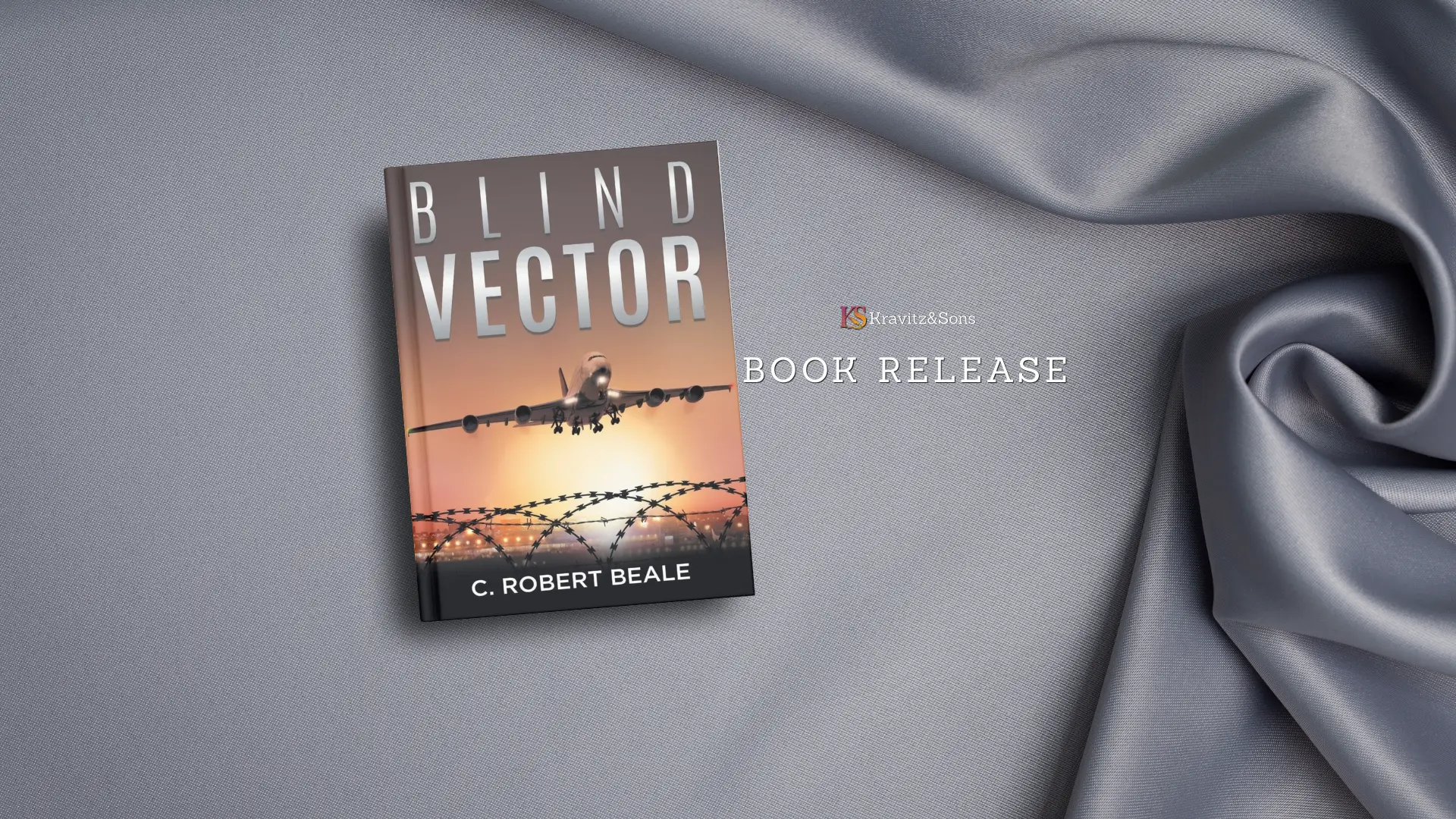
When the Threat Isn’t Onboard
Air travel already comes with a quiet tension. Once the wheels leave the ground, control feels absolute, mechanical, final. Blind Vector by C. Robert Beale takes that familiar fear and flips it on its head. In this story, the danger isn’t sitting in the cabin or hiding behind the cockpit door. It’s far away, calculated, and unseen.
Set aboard a Boeing 747 flying from Los Angeles to Boston, the novel explores a chilling possibility. What if modern technology made physical hijackers unnecessary? What if the aircraft could be taken over remotely, turning distance into a weapon? That unsettling idea is what makes Blind Vector stand out in the action thriller genre. It feels plausible, grounded, and just close enough to reality to stay with you.
Mayday, mayday, mayday; this is Radioman James Willis on board downed naval aircraft. Can anyone hear me, over?” 92 C. ROBERT BEALE There was no response so he tried again. Still, there was no response, so he tried changing frequencies. The receiver crackled as he began to tune in a frequency on which someone was talking.
Blind Vector, Chapter Eight, pages 91-92
Control, Chaos, and Consequences
Blind Vector is about control and how fragile it really is. The aircraft becomes a symbol of trust in systems we rarely question, and when those systems are manipulated, the ripple effects are immediate and terrifying. The book pushes readers to consider how technology, when misused, can turn convenience into catastrophe.
While the hijackers operate from the ground, the people in the air carry the emotional weight. Pilots, crew, and passengers are forced into roles they never agreed to play. Their reactions under pressure show how quickly order can dissolve, and how courage doesn’t always look heroic. Sometimes it looks like endurance.
What makes this story effective is its restraint. There’s no over the top spectacle for the sake of noise. Instead, tension builds through decision making, timing, and the uncomfortable realization that danger doesn’t always announce itself. The lesson is clear. Security isn’t just about presence. It’s about anticipation.
The Mind Behind the Suspense
C. Robert Beale writes with the confidence of someone who understands structure, discipline, and risk. His background in the military informs the way he builds tension, handles procedure, and respects the reality behind high stakes scenarios. Nothing feels careless or exaggerated.
His storytelling style is direct and focused, letting the premise do the heavy lifting. Blind Vector doesn’t rely on flashy language. It relies on smart pacing and a premise that quietly unsettles. Beale continues to expand his work, including efforts to adapt this story into a screenplay, showing his commitment to bringing grounded suspense to broader audiences.
Final Approach
Blind Vector by C. Robert Beale is the kind of thriller that makes you think twice the next time you board a plane. It’s sharp, unsettling, and rooted in a possibility that feels too real to ignore. If you enjoy intelligent suspense that doesn’t insult your intelligence, this book belongs on your shelf.
Blind Vector
Experience a story where distance is the weapon and safety is an illusion. Buy your copy today.