
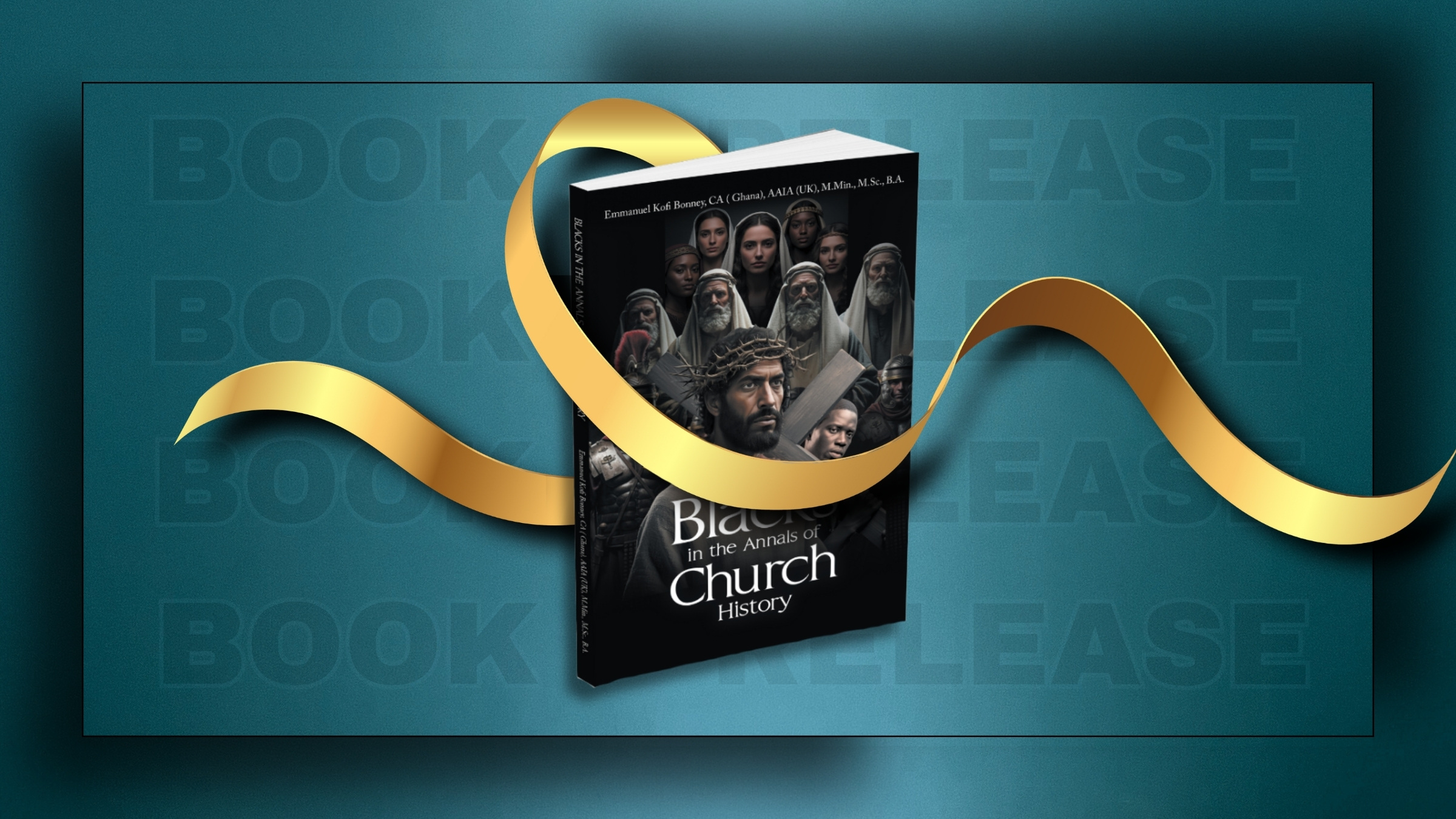
Reclaiming a History That Was Always Ours
Blacks in the Annals of Church History by Emmanuel Kofi Bonney isn’t just a deep dive into biblical scholarship—it’s a mirror, a challenge, and a long-overdue correction. It questions the silence around Africa’s role in the Church while answering with facts rooted in scripture, geography, and theology. The book follows the spiritual, historical, and doctrinal contributions of Black and dark-skinned people—from Adam to Jesus, and far beyond.
What’s powerful about Bonney’s approach is that it’s not emotional guesswork. It’s bold but backed. He names what’s been lost, what’s been deliberately overlooked, and why now is the time to put these truths back on record.
“Jesus Christ compared the days immediately preceding the day of His second coming to the days of Noah (Matthew 24:36–39), but how many people are paying attention to world events and the warnings and seek refuge in the boat, the church?”
—from Blacks in the Annals of Church History, Chapter One, The Flood of Noah, p. 11
This Isn’t Hidden History—It’s Erased Truth
This book doesn’t sugarcoat anything, and that’s exactly what makes it needed. It walks through centuries of Church formation and points out the names, the places, and the bloodlines connected to Africa and Black ancestry that were always there—but rarely mentioned in sermons or textbooks.
Bonney highlights people and places tied to the Church’s early growth—from the lineage of Adam and Eve, to Jesus’ life, to the wilderness Church and post-Resurrection movements. He ties scriptural references to real-world geography, making it clear: the Church wasn’t born in Europe. Its roots are deep in Africa. The book exposes the colonial rewriting of history and replaces it with spiritual truth that resonates, especially with readers who’ve been made to feel like outsiders in a faith they helped shape.
One standout section looks at why Africa is almost invisible in most mainstream Bible narratives, despite being everywhere in the text. That part hits hard—and opens a door that once seen, you can’t unsee. It’s not just history. It’s identity.
Emmanuel Kofi Bonney Tells It Like It Is
Emmanuel Kofi Bonney is a truth-teller in a world of watered-down narratives. He’s spent years studying scripture through a culturally and historically conscious lens, not just for academic purposes—but to bring balance and dignity to a community long written out of the picture.
His writing is direct but not preachy, bold but respectful. Bonney clearly knows that when people of faith don’t see themselves in the foundation of their belief system, something spiritual is lost. He’s here to help restore that—not through opinion, but with undeniable research and biblical backing.
Because the Church Has a Truth Problem
This book is for anyone tired of seeing their ancestors left out of the story—or worse, only mentioned in chains. Blacks in the Annals of Church History is what happens when someone stops waiting for permission and starts telling the truth. It doesn’t ask to be accepted. It invites the reader to wake up, read carefully, and see the full Church—not the edited one.
It’s deep, it’s direct, and it’s the kind of book you’ll underline, quote, and maybe even argue with—which is exactly why you should read it.
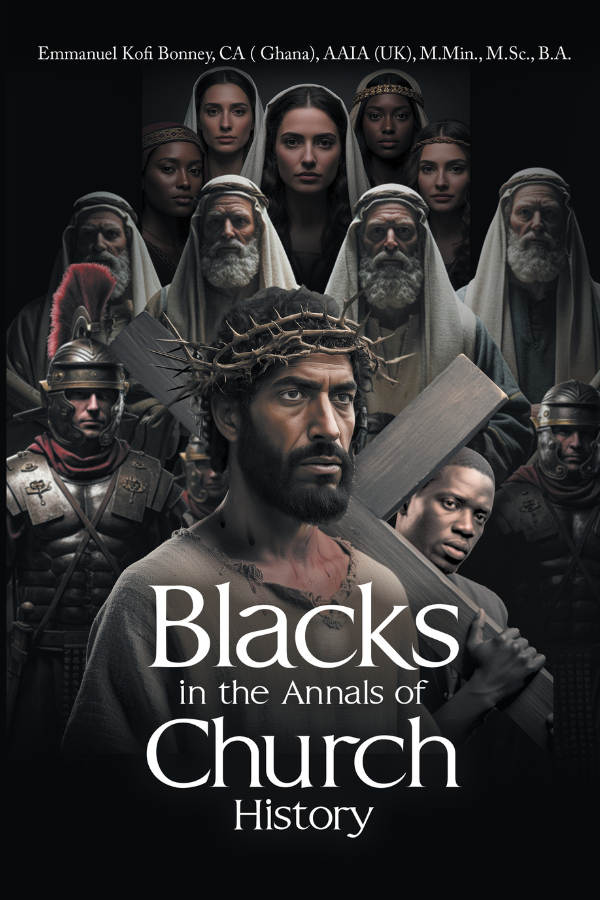
Blacks in the Annals of Church History
Emmanuel Kofi Bonney
Grab your copy today and reclaim your place in the Church’s true story—one that never started without you.
Bishop Joe Kwapong
I’ve been anticipating “Blacks in the Annals of Church History” for quite some time, and I’m elated that it’s finally being released. I had the privilege of meeting Rev. Emmanuel Kofi Bonney in Atlanta, and during our dialogue, it became clear that he is a man profoundly loaded with truth. I sensed immediately that he had invested years of dedicated labor to bring this time-tested, long-awaited revelation to light.
Rev. Emmanuel is a true scholar; deeply grounded in scripture, historically precise, and unwavering in his mission to restore the truths that history has tried to erase. His commitment to unveiling Africa’s rightful place in the shaping of the Church is as inspiring as it is necessary. I cannot wait to receive my copy in the mail and immerse myself in the pages of a work that promises to reshape both understanding and faith.